
AFFAIRE AKPONNA : le HCPC restitue les conclusions de la mission de vérification des projets d’eau et d’électricité à Parakou
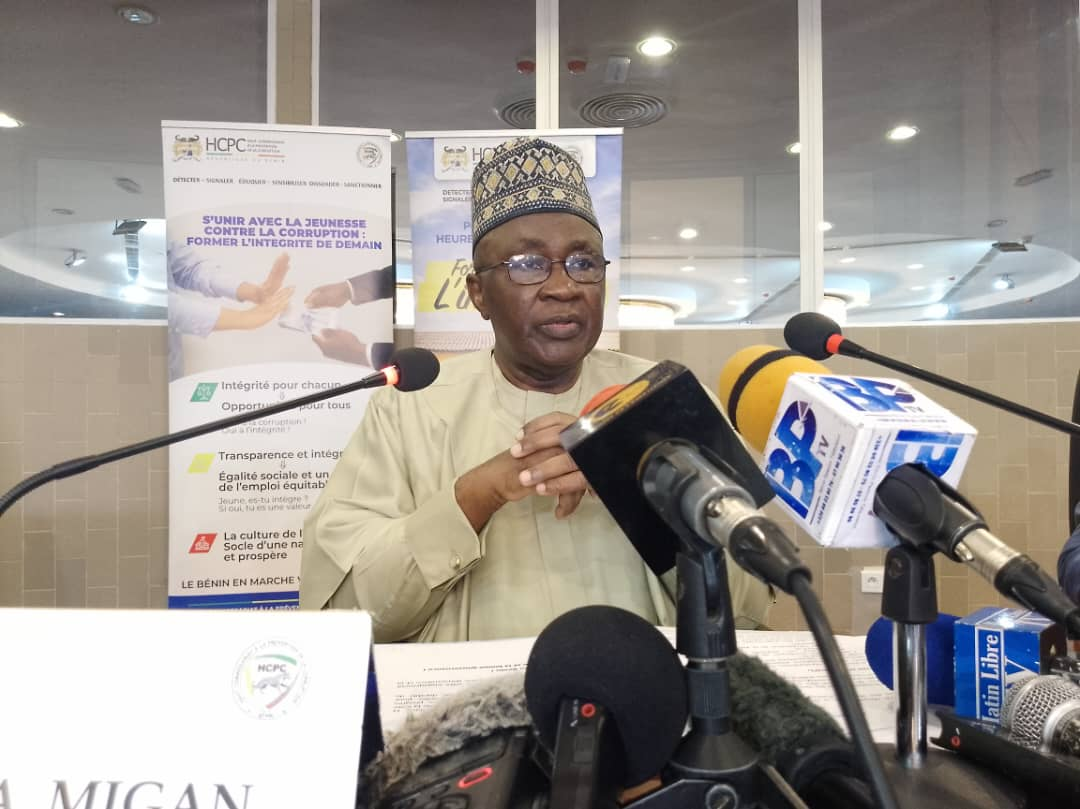
Le Haut-Commissariat à la Prévention de la Corruption (HCPC) a procédé à la restitution des conclusions de la mission de vérification des projets d’investissement publics dans les secteurs de l’eau et de l’énergie électrique réalisés dans la commune de Parakou entre 2016 et 2025. Cette initiative fait suite à de graves allégations de détournement de fonds récemment relayées dans l’opinion publique.
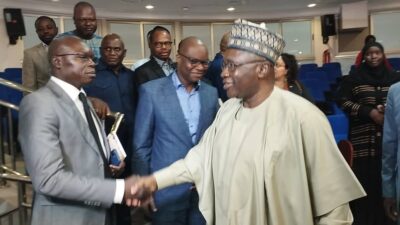
C’est en présence de personnalités politico-administratives, des représentants du corps diplomatique, des organisations internationales, de la société civile et des médias, que le Haut-Commissaire à la Prévention de la Corruption a rendu publiques les conclusions des investigations conduites avec rigueur et indépendance.

Tout est parti d’une déclaration, le 21 juin 2025, d’un ancien membre du gouvernement, dénonçant de présumés détournements de fonds liés aux projets d’eau potable et d’énergie électrique dans la ville de Parakou. Face à ces accusations, le HCPC a agi promptement conformément à la loi n°2020-09 du 23 avril 2020, en lançant une mission de vérification approfondie afin d’apporter des clarifications et d’identifier d’éventuels manquements.
Au terme de la mission, les résultats sont clairs : aucun élément probant ne permet d’établir l’existence de détournements de fonds publics sur la période concernée. Les 31,6 milliards de FCFA investis dans ces projets – hors financement du Programme MCA-Bénin II – ont été utilisés conformément aux objectifs initiaux. Ces investissements ont significativement amélioré l’accès à l’eau potable et à l’électricité pour les populations de Parakou :
- Le réseau de distribution d’eau potable est passé de 445 km à 1 141 km (+156 %).
- La capacité de production d’eau est passée de 400 m³/h à 2 400 m³/h (+500 %).
- Le nombre d’abonnés à l’eau potable a augmenté de 70 %, passant de 16 537 à 28 193.
- Plusieurs forages ont été réalisés pour desservir les zones périphériques.
- Le nombre d’abonnés au réseau électrique est passé de 26 756 à 49 200 (+84 %).
- La capacité de production locale d’électricité de 12 MW a été rétablie.
Malgré ces performances, des insuffisances structurelles ont été relevées par la Commission de vérification :
- Une définition imprécise des besoins dans les plans de passation de marchés ;
- Un manque de personnel qualifié au sein du Secrétariat Permanent des Marchés Publics du ministère sectoriel ;
- Une instabilité dans la fonction de Personne Responsable des Marchés Publics (PRMP) ;
- Et une lourdeur dans les procédures locales, notamment l’ouverture des voies d’accès, ralentissant les travaux.
Recommandations pour une meilleure gouvernance
Afin de corriger ces faiblesses, la Commission recommande :
- Une réforme des procédures de passation des marchés publics pour plus de célérité et de transparence ;
- Une accélération de la viabilisation des quartiers périphériques ;
- La création d’unités focales anticorruption au sein des ministères concernés pour une alerte précoce.
Ces recommandations s’inscrivent dans une dynamique de consolidation des acquis en matière de bonne gouvernance et de prévention de la corruption.
« L’engagement du Haut-Commissariat à la Prévention de la Corruption à promouvoir la transparence et la bonne gouvernance reste inébranlable », a réaffirmé le Haut-Commissaire. Il a salué la coopération des différents acteurs impliqués et réitéré la volonté du HCPC de travailler en synergie avec les partenaires techniques et financiers, la société civile et les médias.